


Better supplier fit and lower execution risk based on capability, reliability, pricing, responsiveness, and fit.
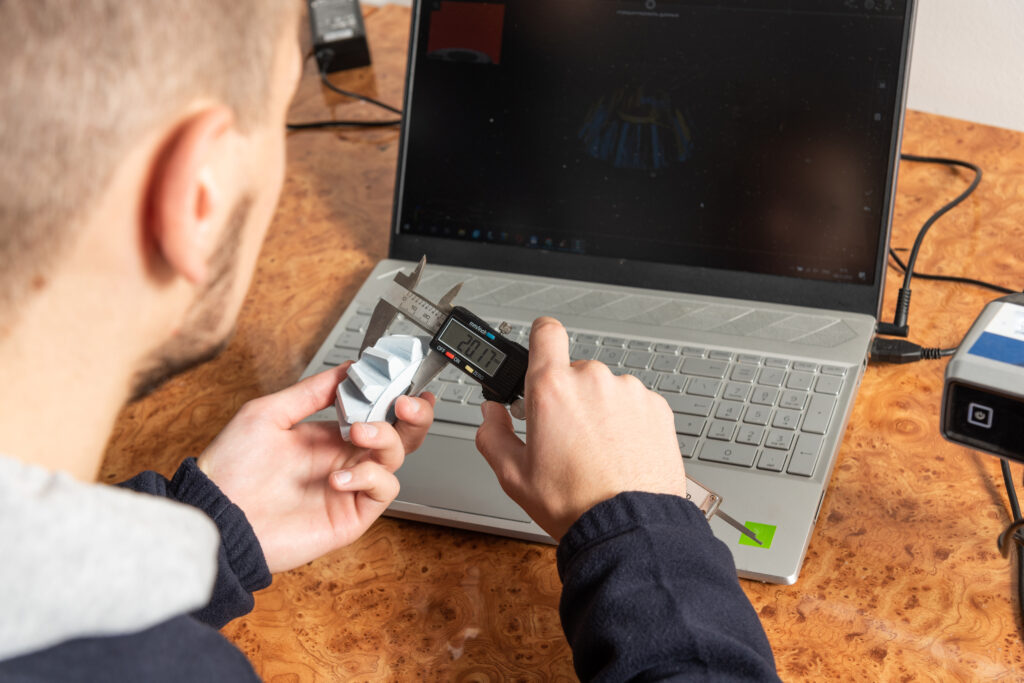
Fewer specification surprises through early clarification, sampling, packaging review, and feasibility feedback.
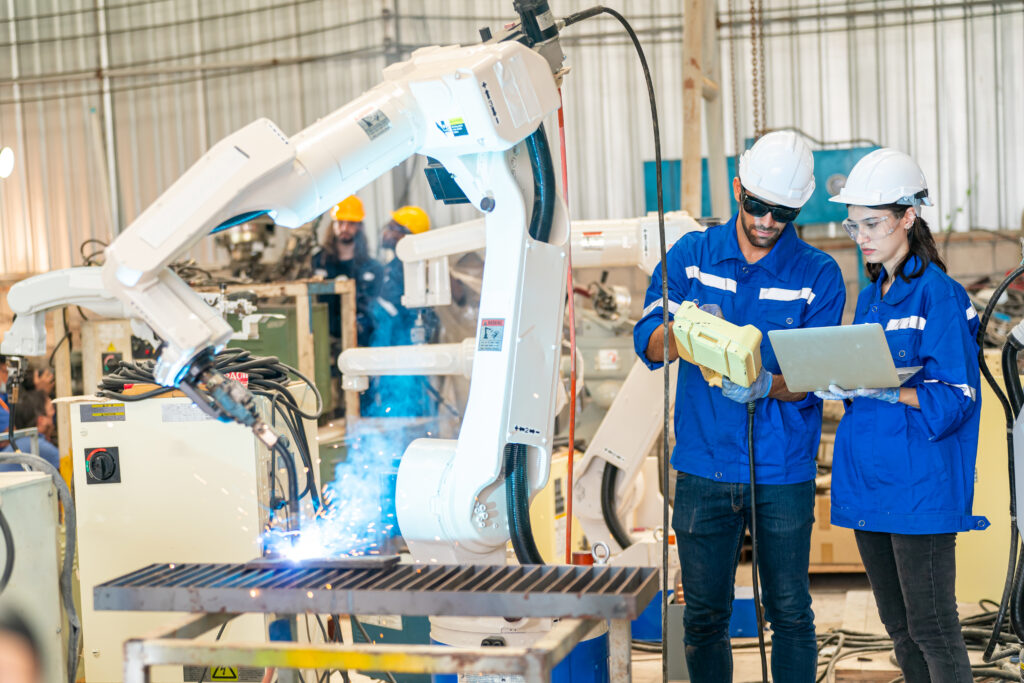
Earlier visibility into delays, supplier issues, and production readiness before problems escalate.
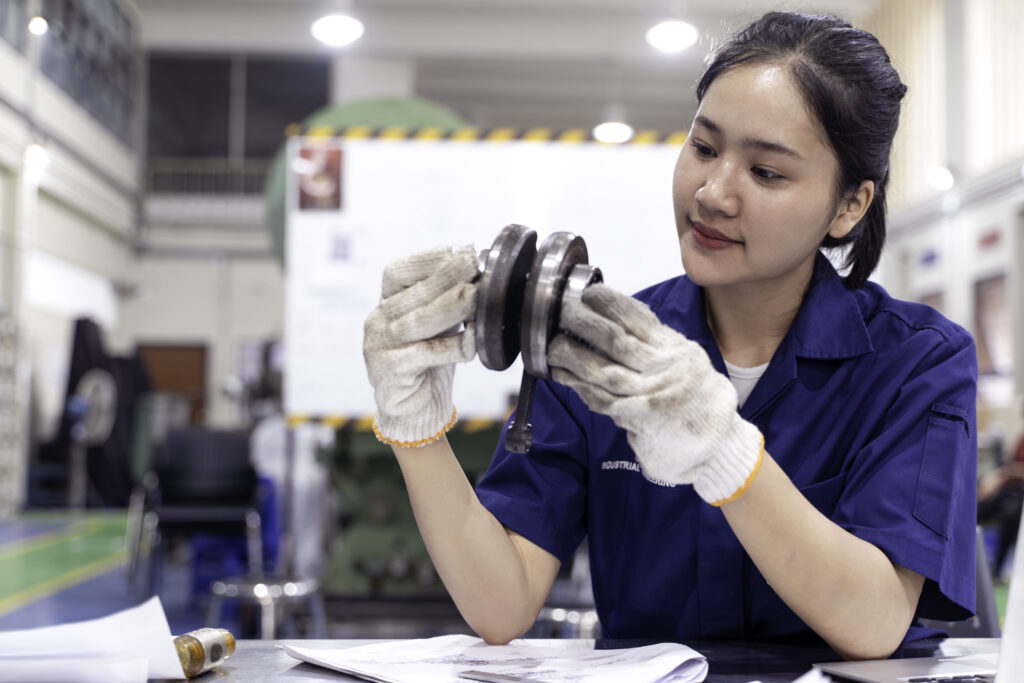
Quality issues identified before shipment through inspection gates, corrective action, and release controls.

Fewer release issues through aligned commercial documents, packing data, export files, and customs readiness.
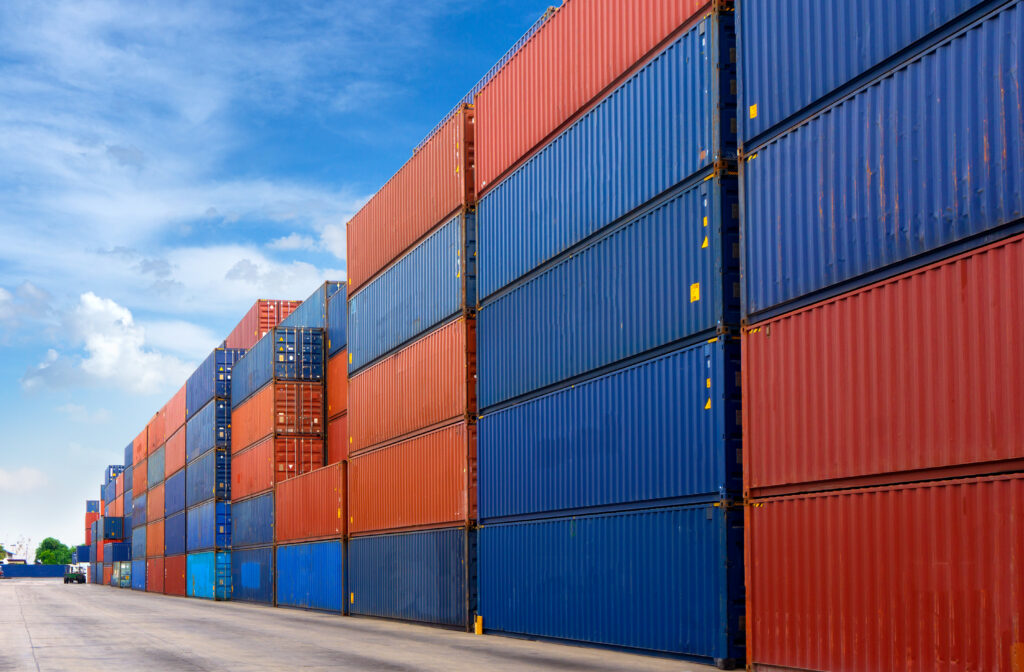
Lower coordination workload through connected freight booking, pickup, routing, tracking, and delivery follow-up.
Clear approval steps reduce surprises, accelerate decision
and keep unresolved issues from moving forward.






We identify suppliers with the right technical capabilities, proven experience producing similar products, and the required certifications to meet the client's specifications and compliance requirements.
We prioritize suppliers who respond quickly, communicate precisely, and proactively address issues to keep projects moving without unnecessary delays.
We identify manufacturers whose capabilities and willingness align with the client's order quantity, product requirements, and project expectations.
Clarify drawings, materials, dimensions, tolerances, finish, packaging, labeling, and performance requirements.
Coordinate supplier samples, feedback loops, adjustments,
and approval records before mass
production.
Identify cost, tooling, MOQ, lead time, compliance, and manufacturing constraints before commitments are made.
The objective is control through production, so delays or quality issues are addressed before they become customer-facing problems.
Sub-assembly before shipment can reduce downstream labor, handling, supplier coordination, and receiving complexity.

Confirm supplier capability, production environment, and compliance capability.
Verify samples, materials, packaging, specifications, and production readiness.
Detect execution issues before full production is completed.
Check finished goods against specifications before shipment release.
Confirm loading condition, quantity, and container suitability.
Prevention, inspection, supplier feedback, and corrective action help protect brand, margin, and customer commitments.

We provide fully managed procurement services in Asia, from manufacturing partner selection and product development to production follow-up, quality control, and shipment coordination.
Yes. Liya Solutions is Canadian-owned and managed. Dominic Desmarais is Canadian and owns our Hong Kong headquarters while serving as General Manager of our Suzhou procurement office. Normand Gauthier and Mitchell Hibbert are also Canadian members of our management team.
No. Liya Solutions operates as a trading company. We purchase products based on our clients' requirements and resell them directly to our clients. This means we become your supplier and take responsibility for ensuring that the agreed requirements and quality standards are met.
No. As a trading company, we work on a margin rather than a commission. The margin varies depending on the product, quantities, project complexity, and other commercial factors.
Factory qualification and quality inspections are part of our service when clients purchase through Liya Solutions. We do not offer standalone factory visits or inspection services.
We are transparent about the manufacturing partners we work with and only select factories we would be comfortable showing to our clients. Clients purchasing through Liya Solutions are welcome to visit our manufacturing partners.
However, we do not provide standalone factory introductions.
We are strongest with customized, technical, and value-added products that cannot simply be purchased from stock. This includes products manufactured according to drawings, specifications, samples, or specific performance requirements.
There is no single MOQ. It depends on factors such as the product, manufacturing process, complexity, unit value, and required customization. We review each project individually.
We evaluate manufacturing partners based on factors such as company records, communication and professionalism, technical capabilities, certifications, production equipment, and the overall condition and management of the factory during our visits.
Our quality engineers visit factories for qualification, production follow-up, and inspections. We verify that products are being manufactured according to the agreed specifications and identify potential issues before shipment.
Yes. Based on your drawings, specifications, or samples, we can work with our manufacturing partners to develop your product, produce prototypes or samples, and move into mass production once approved.
We take intellectual property protection seriously. When required, we work with our legal counsels on putting in place confidentiality and intellectual property agreements with our manufacturing partners before sharing sensitive project information.
The more information you can provide, the better we can evaluate the project. Useful information includes:
- Estimated order quantity
- Expected annual volume
- Target order value
- Technical drawings
- Product specifications
- Required certifications or standards
- Photos or reference products
- Physical samples, when available